Designing an End-to-End Risk Analytics Platform for Enterprise Actuarial Operations
Transforming complex actuarial workflows into a scalable, insight-driven analytics engine for a global insurance firm.
Managing Risk Data Was Operationally Complex
Teams spent more time preparing and validating data than generating insights. Legacy tooling created bottlenecks at every stage of the actuarial cycle.
Fragmented Workflows
Siloed data sources prevented any unified risk assessment across teams.
Difficult Interpretation
Complex actuarial models had no clear visualization or summary layer.
Slow Reporting Cycles
Days spent preparing and validating data manually each reporting period.
Limited Error Visibility
Validation errors were caught late in the pipeline, causing costly rework.
Building a Unified Risk Intelligence Experience
Four design goals shaped every decision.
Streamline Ingestion
Automated pipeline for multi-source data ingestion and normalization.
Improve Validation
Real-time schema checks and data quality enforcement at entry.
Simplify Reporting
One-click stakeholder-ready reports with narrative context.
Enable Faster Decisions
Insight surfaces with drill-down views for faster executive decisions.
Mapping the Enterprise Workflow
Data Ingestion
Multi-source ingestion with pre-processing normalization and schema alignment across all data providers.
Validation
Automated schema checks with exception flagging, rule-based enforcement, and full audit trail generation.
Analysis Management
Configurable model runs tied to versioned assumptions with side-by-side comparison and rollback support.
Reporting & Insights
Shareable dashboards with narrative-driven intelligence, segment drilldowns, and one-click export workflows.
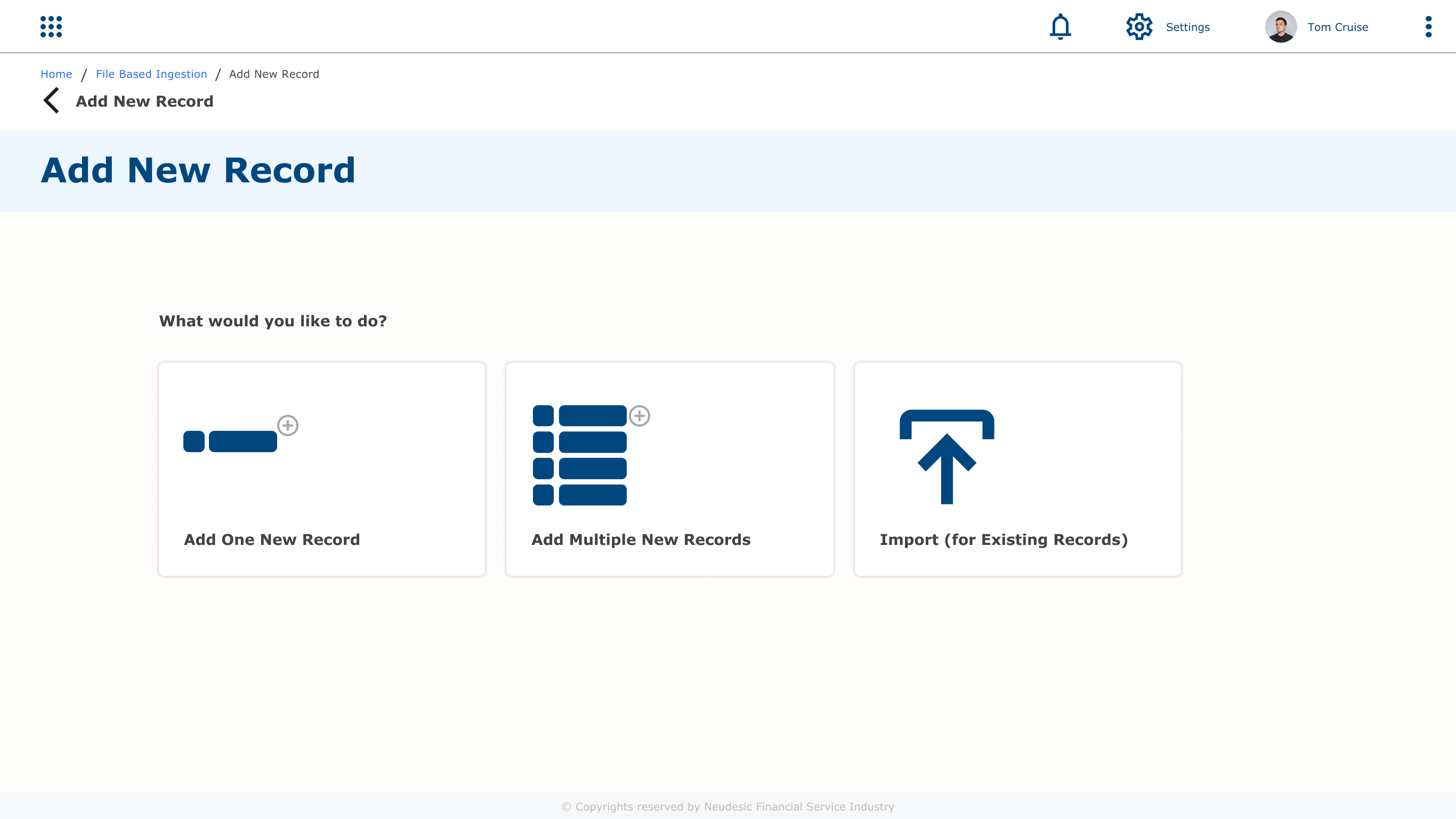
Simplifying Enterprise Data Operations
Replaced fragmented manual ETL scripts with a guided ingestion UI that enforces validation rules at the point of entry—before errors propagate downstream.
- Automated multi-source data pipelines
- Configurable validation rule sets per data type
- Bulk enforcement with exception review queues
- Real-time ingestion status and health monitoring
Guided Operational Workflows
Step-by-step wizards replaced freeform processes, dramatically reducing configuration errors and cutting new user onboarding time.
- Step-by-step actuarial run wizard
- Visual progress tracking across all stages
- Contextual error resolution guidance
- Automated pre-flight assumption checks
Designing Transparent Validation Systems
Download Inputs
Export source data for local inspection and audit
Preview Validity
Review full validation results before committing
Upload for Rollover
Push validated data to the next reporting period
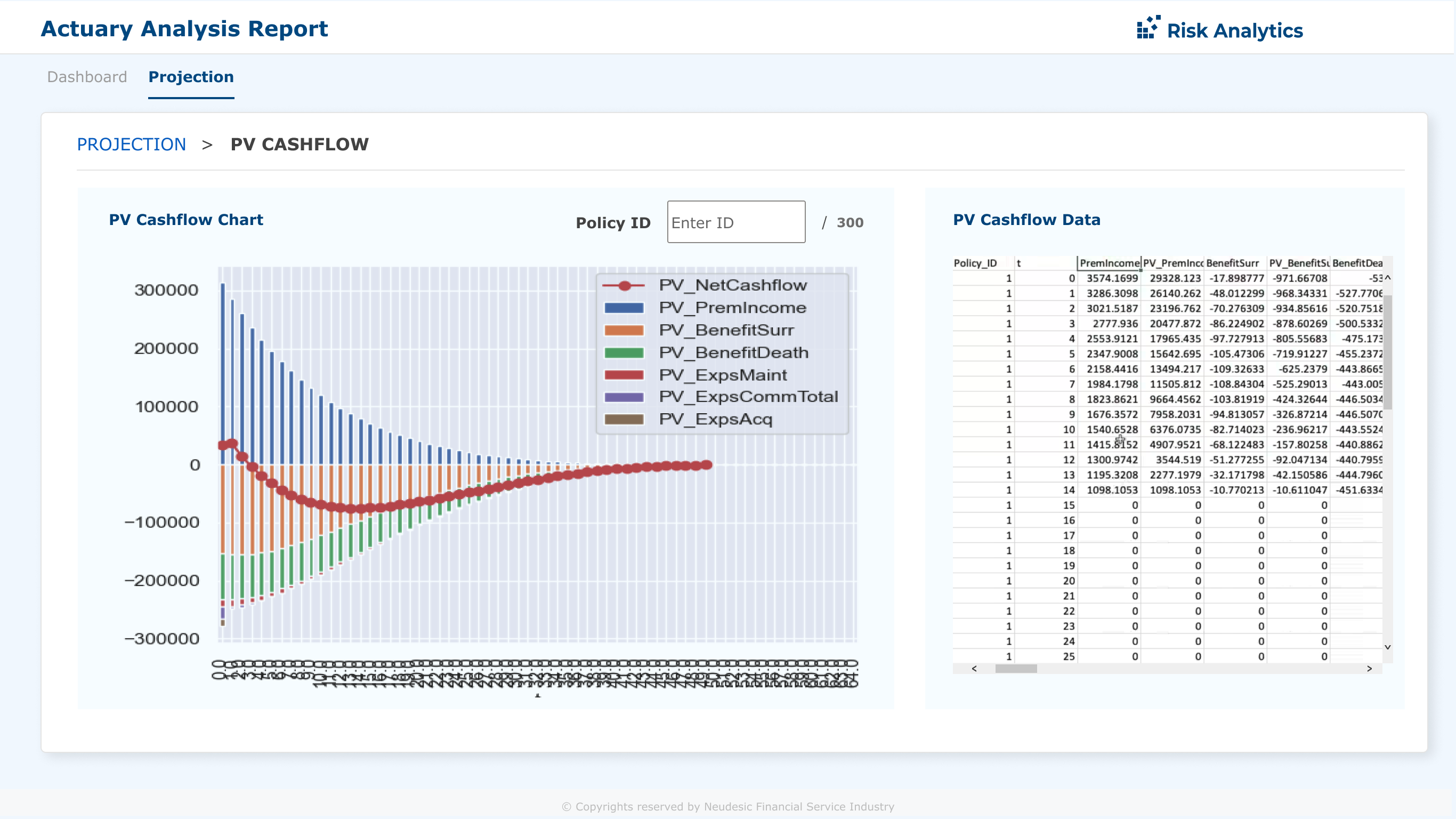
Centralized Actuarial Run Management
All runs, assumptions, and outputs consolidated into a single interface with full version control and status tracking across the entire actuarial team.
- Real-time run status visibility across all models
- Side-by-side version and assumption comparison
- Full assumption set audit capability with history
- One-click export and stakeholder sharing workflows
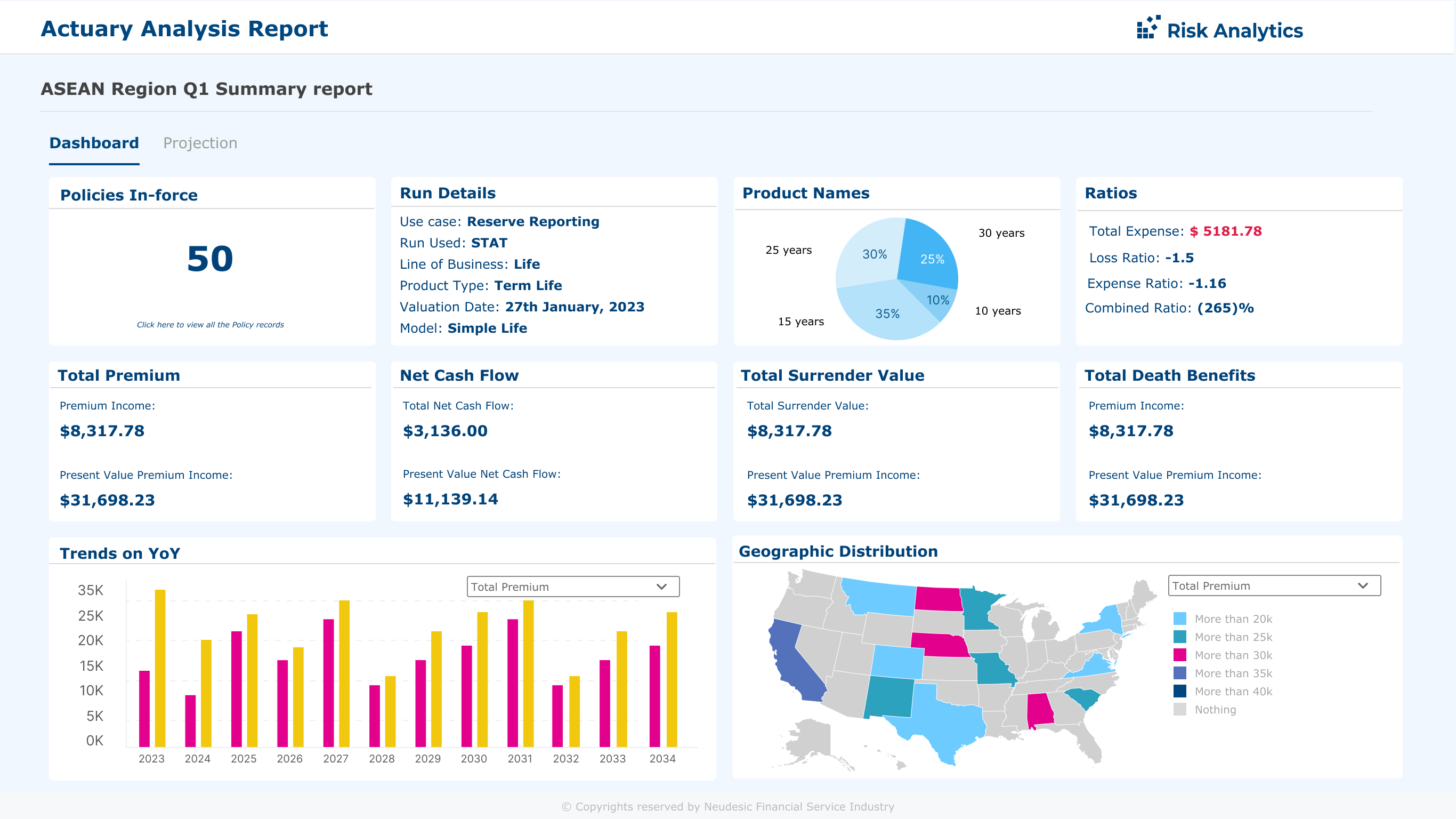
Transforming Data Into Risk Intelligence
The unified analytics platform gives actuarial teams real-time visibility and decision support at scale.
40%
Reduction in prep time
Faster
Reporting workflows
Improved
Data visibility
Scalable
Decision-making
Before vs After
Before
- Fragmented data across disconnected systems
- Manual, error-prone validation processes
- Slow multi-day reporting cycles
- Limited visibility into decision drivers
After
- Unified risk intelligence layer for all teams
- Automated validation with real-time feedback
- Instant stakeholder-ready reporting
- AI-driven decision support surfaces
Learnings
Collaborate with domain experts early
Actuarial logic shaped every design decision. Without deep SME involvement from week one, we would have built beautiful but functionally wrong interfaces that failed during validation.
Implement full data detective capability
Users needed to trace every number back to its original source. Trust in the platform depended entirely on this traceability — partial auditability was not enough.
Progressive disclosure for complex workflows
Sophisticated actuarial processes must be surfaced through guided steps. Showing everything at once overwhelmed users and led to abandonment of the new tooling.
Designing Enterprise Intelligence Systems at Scale
This project demonstrated how UX design can unlock powerful, scalable, actionable intelligence within enterprise risk analytics platforms.